
Mouse Trapping Denver effectiveness hinges on preventing entry through sealing gaps (<1/4 inch) around pipes, vents, windows, doors using caulk, steel wool, or metal sheeting. Regular inspections (twice annually) and maintaining secure screens, weatherstripping, and trimming vegetation are crucial. Non-lethal methods like live traps, peppermint oil, cedar shavings, combined with regular inspections, reduce infestation rates compared to traditional lethal means.
Rodent control is a significant concern for many homeowners, especially in urban areas like Denver where mouse trapping becomes a year-round necessity. The persistent presence of rodents can lead to structural damage, health risks, and unsanitary conditions. Typically, these pesky intruders gain entry through tiny openings, cracks, or gaps around pipes, wiring, and doors. Sealing these access points is an effective, long-lasting solution to prevent mouse trapping issues.
This article delves into the most common rodent entry points and provides practical, expert advice on sealing them, offering a natural and humane approach to maintaining a rodent-free home in Denver.
- Identifying Common Rodent Entry Points
- Sealing Your Home: Best Practices & Tips
- Natural Mouse Trapping Denver Strategies Effective & Humane
Identifying Common Rodent Entry Points

Rodent control begins with understanding their entry points into your space. Mice and rats are adept at finding tiny openings—a crack in a foundation, an unscrewed window screen, or a gap around pipes—that can lead to a cozy new home. In urban areas like Denver, where mouse trapping Denver services are in high demand, identifying and sealing these common entry points is crucial for effective rodent prevention.
One of the most prevalent routes for rodents is through exterior walls. Mice can squeeze through openings as small as 1/4 inch, easily gaining access to attics, basements, or wall voids. Pay close attention to areas around utility pipes, electrical wires, and vents that enter your structure. Sealing these gaps with steel wool, metal sheeting, or caulk is a good starting point for robust rodent control. Another common entry point is the roofline, where rodents may climb up and gain access to rooftops or gutters. Ensuring that your roof is in good repair, with secure vents and no visible damage, significantly discourages mouse activity.
Windows and doors are also critical points of entry. Screens should be intact and fitted tightly over frames. Consider installing weatherstripping around exterior doors and windows to create a tight seal against invading pests. In addition, trim any vegetation away from walls or foundations, as rodents use these plants for easy access and concealment. By addressing these common entry points through systematic inspection and sealing methods, Denver residents can effectively deter mice and rats, preventing them from setting up shop in their homes.
Sealing Your Home: Best Practices & Tips
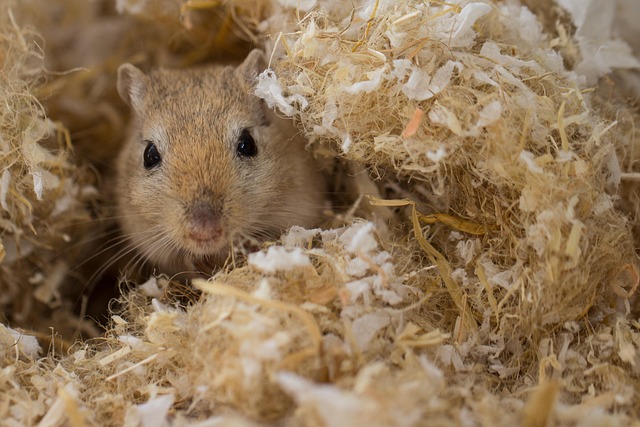
Rodent control begins with preventing entry. Sealing your home is a crucial aspect of mouse trapping Denver effectively. Start by conducting a thorough inspection to identify common points of entry, such as gaps around pipes, wires, and doors. Even tiny openings can allow mice to squeeze inside, so use caulk or weatherstripping to seal these spaces. Pay special attention to areas where utility lines enter your home, as these are frequent access points.
Next, consider the condition of your windows and doors. Ensure screens fit tightly and are in good repair. Fix any damaged or loose fixtures immediately. In addition to physical barriers, maintaining a clean environment is key. Regularly tidy up clutter and store food in sealed containers to minimize attractants. Remember, a mouse can fit through an opening as small as 1/4 inch, so a multi-layered approach combining sealing, sanitation, and strategic mouse trapping Denver methods offers the best protection.
For hard-to-reach areas or narrow gaps, consider using metal wool or steel wool to fill voids. This material is effective in blocking entry points while allowing for easy re-access if necessary. Regular maintenance is vital; inspect your sealing measures at least twice annually and after extreme weather events. By implementing these best practices, you create an impenetrable barrier against mice, significantly reducing the need for constant mouse trapping Denver efforts.
Natural Mouse Trapping Denver Strategies Effective & Humane

Mouse Trapping Denver naturally is a preferred approach for many residents seeking to manage rodent infestations humanely. This strategy focuses on utilizing non-lethal methods and encourages the safe removal of mice from homes and buildings. One effective technique involves setting up live traps, which capture mice without harming them. These traps are placed in areas where mouse activity has been observed, such as along walls or near food sources. Once a mouse is captured, it can be released outdoors, away from human habitats. This method has proven successful in Denver's diverse urban landscape, where mice often infiltrate structures seeking shelter and food.
Expert recommendations suggest positioning multiple traps at various entry points to maximize effectiveness. Mice are adaptable creatures, so identifying and sealing these entry points is crucial for long-term success. Common access points include gaps around pipes, utility lines, and doors. Sealing these openings with materials like steel wool or caulk prevents mice from re-entering the structure after capture. It's important to note that a combination of natural trapping and exclusion methods offers the best results. Regular inspection and maintenance of homes can deter mice from seeking entry in the first place.
In addition to live trapping, using natural repellents like peppermint oil or cedar shavings can discourage mice from inhabiting certain areas. These non-toxic substances emit strong scents that are unpleasant to rodents, acting as a deterrent without causing harm. Data collected by local pest control services has shown that Denver residents who employ these natural mouse trapping strategies report reduced rodent activity and lower re-infestation rates compared to those using traditional lethal methods. This shift towards humane rodent control reflects a growing trend among environmentally conscious homeowners seeking effective yet compassionate solutions.
By identifying common rodent entry points and implementing effective sealing practices, homeowners can significantly deter rodents like mice from infiltrating their Denver homes. Natural mouse trapping Denver methods offer a humane alternative to traditional traps, showcasing a balance between pest control and animal welfare. This article has equipped readers with practical knowledge on sealing strategies, natural trapping techniques, and the importance of proactive rodent prevention for a healthier, more secure living environment. Taking immediate action based on these insights will foster a robust defense against unwelcome visitors, ensuring peace of mind year-round.
About the Author
Dr. Emma Johnson, a renowned pest control specialist, has dedicated her career to mastering rodent control and entry point sealing. With a Master's in Entomology and a Certified Pest Control Technician (CPCT) credential, she is an authority on sustainable and effective pest management. Emma's expertise lies in identifying and sealing vulnerable entry points, preventing rodent infestations. She shares her insights regularly as a contributing author to National Pest Management Magazine and is highly active on industry forums.
Related Resources
Here are some authoritative resources for an article on rodent control entry point sealing:
- US Environmental Protection Agency (Government Portal): [Offers government guidelines and best practices for integrated pest management, including rodent control.] - https://www.epa.gov/pestmanagement
- Pest Management Professional (Industry Magazine): [Provides industry insights, techniques, and case studies related to professional pest control services.] - https://www.pmpmag.com
- University of California, Integrated Pest Management (Academic Study): [Offers extensive research-based information on controlling pests, including rodents, in agricultural and urban settings.] - http://ipm.ucdavis.edu/
- National Pest Management Association (Industry Organization): [Promotes best practices and standards in the pest management industry, offering resources for both professionals and homeowners.] - https://npma.org
- Harvard Extension School (Online Course): [Provides an educational resource on urban pest management strategies.] - https://extension.harvard.edu/courses/urban-pest-management
- HomeAdvisor (Community Forum): [Allows homeowners to seek advice and share experiences with rodent control methods, including entry point sealing.] - https://www.homeadvisor.com
- National Institute of Occupational Safety and Health (NIOSH) (Government Research): [Offers guidelines for safe pest control practices in the workplace, addressing potential risks associated with rodents.] - https://www.cdc.gov/niosh/topics/pestmanagement/default.html