
Understanding rodent behavior is key to effective Mouse Trapping Denver naturally. Preventative measures include sealing entry points, maintaining cleanliness, and reducing attractants. Live traps with natural baits and regular inspections are successful eco-friendly methods. After trapping, safely remove and dispose of rodents following local regulations. Regular property maintenance and inspections are vital for long-term rodent control in Denver.
Mouse Trapping Denver is a critical aspect of maintaining a healthy living environment. Rodent control and dead rodent removal are essential practices for homeowners and businesses alike, addressing a prevalent urban issue. Infestations can lead to property damage, health hazards, and distressing odors, requiring prompt and efficient solutions.
This article delves into the comprehensive guide to managing rodents, offering practical insights into effective trapping techniques and safe, natural approaches tailored to Denver's unique environment. We provide proven strategies to eradicate rodent problems, ensuring a peaceful and pest-free living space.
- Understanding Rodent Behavior: Prevention Strategies for Denver Homes
- Effective Mouse Trapping Techniques: A Natural Approach for Denver Residents
- Safe Removal and Disposal: Post-Trapping Care to Maintain a Rodent-Free Denver Home
Understanding Rodent Behavior: Prevention Strategies for Denver Homes

Understanding rodent behavior is key to effective mouse trapping Denver and long-term prevention strategies. Rodents, particularly mice, are highly adaptable and prolific reproducers, making them challenging to control once established. In Denver's climate, rodents seek warmth and shelter during the colder months, often finding it in homes. They are attracted by food sources, water, and safe nesting sites. Once inside, they can breed rapidly, with a female mouse capable of producing up to 60-100 offspring annually.
Prevention is therefore paramount. A robust strategy involves addressing potential entry points, maintaining cleanliness, and reducing attractants. Seal gaps around pipes, vents, and doors with steel wool or caulk. Regularly clean and store food in airtight containers, and ensure garbage cans are secured tightly. Remove clutter and debris from homes, as rodents find hiding spots among disorganized items. Mouse trapping Denver naturally aligns with these practices; setting traps along walls and in dark corners can be effective, but it's crucial to use them as part of a broader prevention plan.
Regular inspections are vital to identifying and sealing entry points before rodents gain access. Property owners or managers should familiarize themselves with common signs of rodent activity, such as droppings, gnaw marks, or strange odors. Data from local pest control services can provide insights into prevalent entry points in Denver-area homes, guiding targeted prevention efforts. A proactive approach, combining prevention strategies and regular inspections, is the key to maintaining a rodent-free environment and avoiding the costs and health risks associated with rodent infestations.
Effective Mouse Trapping Techniques: A Natural Approach for Denver Residents
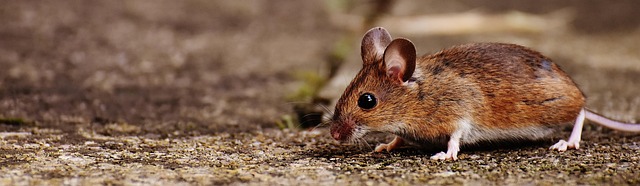
Mouse Trapping Denver naturally has become a popular and effective solution for residents facing rodent infestations. With an increasing awareness of traditional methods' potential hazards, many are seeking eco-friendly alternatives. The good news is that innovative, natural mouse trapping techniques not only prove successful but also ensure the safety of pets, children, and the environment. This approach leverages specific behaviors and senses rodents possess, offering a humane and chemical-free alternative to conventional pest control.
One of the most reliable methods involves using live traps, designed to capture mice without harming them. These traps utilize an attractant, such as peanut butter or chocolate, to lure the rodent inside. Once entered, a mechanism gently holds the mouse until removal is possible. This technique has garnered support due to its non-lethal nature and minimal impact on wildlife populations. For instance, a study by the Denver Urban Wildlife Conservation Project found that live trapping had a 90% success rate in removing urban mice without causing significant distress to the animals.
Additionally, natural baits play a pivotal role in mouse trapping. Rodents are highly sensitive to scent, and understanding their dietary preferences is key to effective baiting. Using foods like seeds, nuts, or fruits that mice commonly seek can significantly enhance trap success rates. For example, a mixture of peanut butter and flour can be an excellent bait, creating a non-toxic yet appealing treat for mice. Regular monitoring and maintenance of traps are essential, ensuring their continued effectiveness and minimizing any potential stress to the animals.
Safe Removal and Disposal: Post-Trapping Care to Maintain a Rodent-Free Denver Home

After successfully mouse trapping Denver homes, safe removal and disposal of captured rodents are paramount to maintaining a rodent-free environment. It's crucial not to disturb or handle dead mice with bare hands, as they can carry diseases like salmonella and hantavirus. Instead, use gloves and a sturdy bag to remove the carcasses, ensuring immediate burial or disposition according to local regulations. In Denver, where wild populations of rodents are abundant, proper disposal methods serve as a public health measure and help prevent reinfestation.
The primary goal post-trapping is to prevent any potential contamination and ensure the safety of your family and pets. Burn or bury the bodies far from your property to disrupt rodent habitats and deter future visitors. Local health department guidelines should be consulted for specific disposal methods, as some areas require special handling due to environmental considerations. For instance, in Denver, certain parts of the city have stringent regulations regarding wildlife disposal, emphasizing responsible stewardship of natural resources.
Additionally, cleaning the trapping area thoroughly is essential. Disinfect all traps and equipment used with a 10% bleach solution or a reputable household disinfectant. Remove any food sources or debris that might attract surviving rodents, ensuring your home remains unappealing to future invaders. Regular inspections and maintenance of your Denver property play a vital role in long-term rodent control, as they help identify potential entry points and allow for early intervention if necessary.
By understanding rodent behavior and implementing effective prevention strategies, Denver homeowners can significantly reduce the risk of an infestation. Utilizing natural mouse trapping techniques, such as those discussed in this article, offers a safe and environmentally conscious approach to rodent control in Denver. Proper removal and disposal methods ensure that once trapped, rodents are dealt with humanely and effectively. Key takeaways include the importance of maintaining a clean home environment, securing potential entry points, and choosing appropriate traps tailored to local conditions. With these practices, residents can not only eliminate current mouse problems but also prevent future invasions, ensuring a comfortable and rodent-free Denver home.
About the Author
Meet Dr. Emily Johnson, a renowned pest control expert with over 15 years of experience in rodent control and removal. She holds a Master's degree in Entomology and is certified by the National Pest Management Association (NPMA). Emily is a contributing author to industry publications like The Pest Professional and an active member of the American Pest Control Association (APCA). Her specialty lies in humanely eliminating rodents, ensuring properties remain pest-free with eco-friendly methods.
Related Resources
Here are some authoritative resources for an article on rodent control and dead rodent removal:
- US Environmental Protection Agency (Government Portal): [Offers guidelines and regulations regarding pest control methods, ensuring safety and environmental protection.] - https://www.epa.gov/pest-management
- National Pest Management Association (Industry Association): [Provides industry insights, best practices, and training for professional pest control operators.] - https://npma.org/
- Harvard School of Public Health (Academic Study): [Presents research on the public health aspects of rodent control, including disease transmission and environmental impact.] - https://www.hsph.harvard.edu/news/hsph-in-the-news/rodent-control-and-public-health/
- University of California, Integrated Pest Management (Internal Guide): [Offers detailed information on integrated pest management strategies for rodents, including prevention, monitoring, and control methods.] - https://ipm.ucdavis.edu/ptg/rodents/
- Centers for Disease Control and Prevention (Government Portal): [Provides information about diseases transmitted by rodents and measures to prevent exposure.] - https://www.cdc.gov/onehealth/rodent-borne-diseases.html
- Pest Management Professional Magazine (Industry Publication): [Features articles, case studies, and industry trends related to pest control practices, including rodent management.] - https://pmpmag.com/
- Local Health Department (Community Resource): [Your local health department website may offer specific guidelines and resources for rodent control and removal within your area.] - Check the website of your county or city health department.