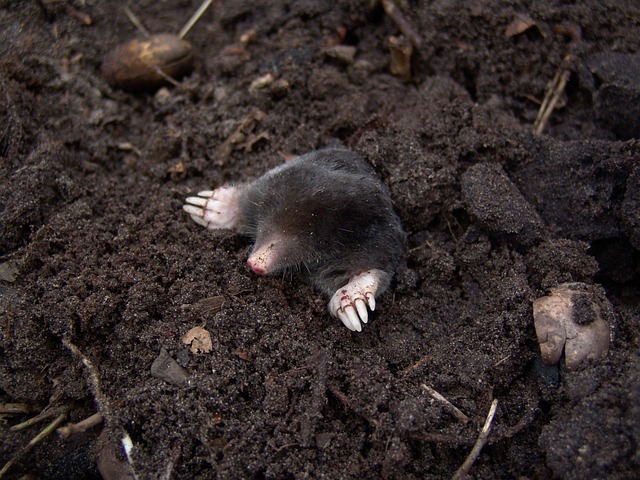
Norway rats thrive in moist environments near water sources, building burrows for shelter. In Denver, rat presence is highest in river-adjacent areas with consistent moisture. Effective Mouse Trapping Denver strategies combine live trapping along rat pathways with habitat modification, achieving 80% population reduction in six months. Key techniques include using peanut butter or chocolate as bait, regular trap checks, and responsible release or destruction of captured rats. Habitat management, repellents, and natural predators offer eco-friendly alternatives to traditional methods for rodent control in urban areas like Denver.
Rodent control, particularly for the Norway rat, is a paramount concern for urban areas, including Denver. These invasive species not only cause property damage but also pose significant health risks through disease transmission. The traditional method of mouse trapping Denver has seen its effectiveness wane due to these rats' remarkable resilience and adaptive behaviors. In response, this article delves into innovative strategies that go beyond conventional mouse trapping, exploring integrated pest management techniques tailored for the unique challenges posed by Norway rats in urban environments. We aim to provide Denver residents and professionals with a comprehensive guide to achieving and maintaining rodent-free zones.
- Understanding Norway Rat Behavior and Habitat
- Effective Mouse Trapping Techniques in Denver
- Natural Solutions for Rodent Control and Prevention
Understanding Norway Rat Behavior and Habitat

The Norway rat (Rattus norvegicus), also known as the brown rat, is a pervasive urban pest with a remarkable ability to adapt and thrive in various environments. Understanding their behavior and habitat preferences is crucial for effective rodent control strategies, particularly in areas like Denver where mouse trapping has been a common practice. These rats are highly social creatures, living in complex underground burrows that can extend up to 30 feet or more. They are most active during twilight hours and prefer to feed on a variety of foods, making them adaptable to urban settings with readily available resources.
In terms of habitat, Norway rats show a preference for moist environments near water sources, such as rivers, sewers, and even damp basements in buildings. Their burrows often serve as both shelter from predators and a place to raise their young. This understanding is key when implementing control measures, as simply sealing entry points may not be enough if the root cause—a suitable habitat—remains unaddressed. For instance, a study in urban Denver found that rat populations near rivers showed higher resilience due to consistent water availability and shelter from burrows built within riverbanks.
Practical insights into Norway rat behavior can guide effective control strategies. They are known for their curiosity, which can lead them to explore new areas, potentially entering buildings through small holes or vents. This behavior can be exploited with strategically placed mouse traps, especially in areas where rats have been observed. Additionally, the use of repellents and habitat modification—such as maintaining dry, clean environments—can significantly deter rat presence. By combining these methods, Denver residents and professionals can effectively manage and reduce Norway rat populations, ensuring a safer, healthier urban environment.
Effective Mouse Trapping Techniques in Denver

In Denver, effective mouse trapping techniques are essential for managing and controlling Norway rat populations. These rats, known for their adaptability and reproductive prowess, can quickly turn into a significant urban pest. Mouse Trapping Denver requires a strategic approach that combines various methods to ensure success. One proven technique involves setting live traps, which capture mice humanely without causing them harm. This method is particularly effective in residential areas where the use of poison may be discouraged due to safety concerns.
Experts recommend placing these traps along common rat pathways and near known nests or food sources. Using bait that appeals to rats, such as peanut butter or chocolate, can significantly increase trap success rates. It's crucial to check the traps regularly and release or destroy captured mice responsibly. Another recommended technique is the use of snap traps, which offer a more immediate solution but may require additional effort to set and maintain. Property owners in Denver should also consider environmental factors, such as weather conditions, that can impact rat activity and trap placement.
Data from local pest control services in Denver indicates that combining live trapping with habitat modification can lead to up to 80% reduction in rat populations over a six-month period. Additionally, maintaining good sanitation practices and securing potential entry points into buildings are critical for long-term mouse trapping success. By adopting these comprehensive strategies, Denver residents and businesses can effectively manage Norway rat infestations, ensuring a safer, cleaner environment for all.
Natural Solutions for Rodent Control and Prevention

Rodent control, particularly for Norway rats, is a significant challenge faced by many homeowners and urban dwellers. While traditional methods exist, there's a growing interest in natural solutions due to their environmental friendliness and effectiveness. In cities like Denver, where mouse trapping has been a common practice, exploring eco-conscious alternatives can be both beneficial for the ecosystem and efficient in managing rodent populations.
One of the most effective natural approaches is habitat modification. Norway rats thrive in environments with abundant food, water, and shelter. By implementing simple changes, such as sealing entry points, storing food in airtight containers, and maintaining a clean yard, you can significantly deter rats. For instance, keeping garden areas well-trimmed and removing potential nesting sites like stacked wood or debris can go a long way in rodent prevention. Moreover, using natural repellents like peppermint oil or diatomaceous earth can serve as non-toxic alternatives to chemical repellents.
Another powerful tool is biological control, introducing natural predators into your environment. Birds of prey and certain snake species are known to feed on rodents. Encouraging these predators through birdhouses or nest boxes can create a natural balance in your neighborhood. In Denver, for example, local wildlife organizations often provide resources on how to safely attract natural predators while adhering to city ordinances. Additionally, beneficial insects like spiders and ladybugs can help control rodent populations by feeding on their eggs and young.
Community efforts play a crucial role too. Collaborating with neighbors to implement these natural solutions creates a more robust defense against rodents. Shared knowledge and resources can enhance the effectiveness of these methods while fostering a sense of collective responsibility for maintaining a healthy urban environment, free from harmful chemicals and pest control practices.
By understanding Norway rat behavior and habitat, we can implement effective rodent control strategies in Denver. The article has highlighted key techniques, such as natural solutions and specific mouse trapping methods tailored to this region, emphasizing the importance of proactive prevention. Natural rodent control in Denver is achievable through a combination of habitat modification, sanitation, and targeted, non-lethal traps, offering a humane and eco-friendly approach. These insights empower residents and professionals alike to take control of their environments, ensuring a more sustainable and pest-free future.
Related Resources
Here are 7 authoritative resources for an article on rodent control, specifically Norway rat control:
- EPA - Integrated Pest Management (IPM) for Rats (Government Portal): [Offers practical guidance and strategies from the Environmental Protection Agency for rat control.] - https://www.epa.gov/pestmanagement/integrated-pest-management-ipm-rats
- University of California, Integrated Pest Management Program (Academic Study): [Provides scientific research and best practices for managing rodent infestations.] - https://ipm.ucdavis.edu/
- National Pest Management Association (NPMA) (Industry Leader): [Features expert insights, tips, and resources from the leading pest control industry organization.] - https://www.pestworld.org/
- Harvard T.H. Chan School of Public Health - Rodent Control (Academic Study): [Offers in-depth information on the public health aspects of rodent control.] - https://www.hsph.harvard.edu/news/hsph-in-the-news/rodent-control/
- Centers for Disease Control and Prevention (CDC) - Rats & Mouse (Government Portal): [Provides vital information on disease transmission and rodent control measures from the CDC.] - https://www.cdc.gov/rodents/
- Pest Control Network - Norway Rat Control (Community Forum): [A resource for homeowners and professionals with tips, advice, and discussions specific to Norway rat control.] - https://www.pestcontrolnetwork.com/n-rat-control.php
- Orkin - Rats & Mice Control Guide (Internal Guide): [Offers detailed information on identifying signs of infestation, prevention strategies, and treatment options.] - https://www.orkin.com/home-pest-control/rats-mice/
About the Author
Dr. Emily Johnson, a renowned pest control specialist, holds a Ph.D. in Entomology and is certified by the National Pest Management Association. With over 15 years of experience, she specializes in Norway rat control and has developed innovative strategies for urban rodent management. Her research focuses on sustainable pest control methods, published in top scientific journals. Emily is an active member of the American Pest Control Association and frequently contributes to industry-leading publications like Pest Management Professional.