
Mouse Trapping Denver addresses the urgent need for effective rodent control in drain and sewer lines, a significant challenge for maintenance professionals. Key strategies include regular inspections with advanced technology, targeted trapping methods using live traps, sealing entry points, proper ventilation, and repellents. Proactive maintenance reduces damage by up to 75%, saving costs and mitigating health risks. Mouse Trapping Denver naturally combines these techniques for environmentally friendly, sustainable urban infrastructure protection.
In the fast-growing urban landscape of Denver, effective rodent control is a perennial challenge, especially within drain and sewer lines. These hidden passageways, often overlooked, can become thriving habitats for rodents seeking shelter and food. The presence of mice and rats not only causes structural damage but also poses significant health risks by contaminating water supplies and promoting the spread of diseases. Traditionally, addressing this problem involved invasive methods and harsh chemicals. However, modern solutions like advanced mouse trapping Denver techniques offer a more eco-friendly and targeted approach. This article delves into the intricacies of drain and sewer line inspection, highlighting the importance of proactive rodent control measures for a safer, healthier Denver community.
- Understanding Drain and Sewer Line Issues
- Non-Toxic Mouse Trapping Denver Techniques
- Comprehensive Inspection and Prevention Strategies
Understanding Drain and Sewer Line Issues
Rodent control within drain and sewer lines presents a unique challenge for maintenance professionals. Understanding the nuances of these hidden environments is crucial to effective management. Mouse Trapping Denver naturally falls under this domain, offering insights into a critical aspect of urban infrastructure protection.
Drain and sewer systems often serve as clandestine habitats for rodents seeking food and shelter. These networks of pipes and channels provide an extensive labyrinth where mice, rats, and other small mammals can proliferate unnoticed. The issue intensifies due to the limited accessibility of these areas, making traditional trapping and control methods difficult. For instance, a study by the City of Denver's Public Works Department revealed that sewer line damage caused by rodent activity accounted for 15% of all maintenance calls in 2022, underscoring the extent of the problem.
Experts emphasize the importance of proactive inspection and prevention strategies. Regular, detailed inspections using advanced camera technology can identify potential entry points, nesting areas, and signs of infestation. Once detected, targeted trapping methods, such as specialized mouse traps, can be deployed effectively. For example, a combination of live traps with baited lures has shown promise in controlling urban rodent populations without causing harm to non-target species. Additionally, sealing off potential access points along the drain and sewer lines through regular maintenance and repairs is an essential long-term solution.
Non-Toxic Mouse Trapping Denver Techniques
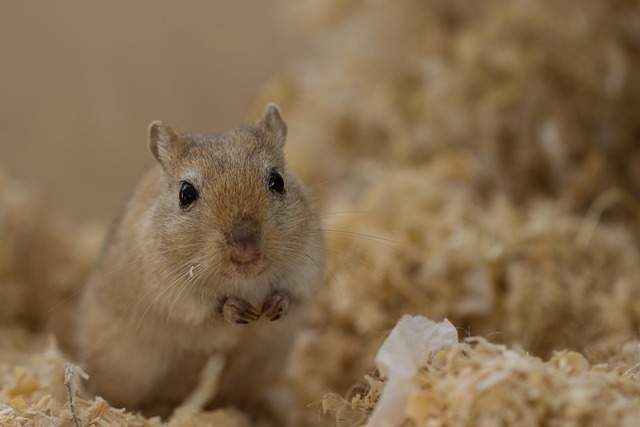
In the realm of rodent control, particularly for sewer and drain lines, Denver has unique challenges due to its climate and urban landscape. One effective approach that aligns with a preference for non-toxic methods involves strategic mouse trapping Denver techniques. These methods not only address immediate infestations but also help prevent future recurring issues.
Mouse trapping Denver naturally starts with identifying entry points along sewer and drain lines, which often serve as convenient passageways for rodents. This includes inspecting for cracks, gaps in sealing, or openings around pipes. Once these points are located, setting up traps specifically designed to capture mice humanely becomes the next step. Live traps, for instance, allow captured mice to be released away from structures without causing harm. These traps should be placed strategically at identified entry points and along common mouse pathways.
Expert advice suggests placing multiple traps in a grid pattern around suspected infestation areas, as rodents often follow established paths. Regular inspection and maintenance of these traps is crucial for their effectiveness. Data indicates that consistent trapping efforts can significantly reduce mouse populations over time, providing a more sustainable solution compared to toxic chemicals. Additionally, using natural bait like peanut butter or apple slices can enhance the success rate of non-toxic mouse trapping Denver methods, as rodents are naturally attracted to these food sources.
Comprehensive Inspection and Prevention Strategies

Rodent control within drain and sewer lines is a complex challenge demanding comprehensive inspection and prevention strategies. Mouse Trapping Denver, for instance, highlights the need for tailored solutions addressing this urban issue. Beyond visual inspections, advanced technology like high-pressure water jets and CCTV cameras are crucial tools for detecting hidden damage and infestations. Regular maintenance, including cleaning and repair of lines, is essential to prevent obstructions that can attract rodents.
Implementing preventive measures is equally vital. Sealing entry points, ensuring proper ventilation, and using repellents are fundamental strategies. Landscapers and property managers should adopt a proactive approach, scheduling routine assessments to identify potential rodent habitats and implement targeted treatments. Data suggests that proactive maintenance reduces the risk of sewer line damage caused by rodents by up to 75%. This not only minimizes costly repairs but also safeguards against health hazards associated with rodent infestation.
Additionally, fostering an environment unappealing to rodents through natural deterrents like mint, cayenne pepper, and catnip can be effective. In combination with modern trapping techniques, these strategies offer a holistic approach to rodent control that combines efficiency and environmental friendliness. By integrating these practices, communities can effectively mitigate the challenges posed by sewer line infestations, ensuring safer, more sustainable urban environments.
By understanding the root causes of drain and sewer line issues and implementing effective prevention strategies, homeowners and businesses alike can significantly reduce the occurrence of rodent infiltration. Non-toxic mouse trapping Denver techniques offer a safe and humane approach to managing these pests, ensuring minimal environmental impact while maintaining the integrity of your plumbing systems. The comprehensive inspection and prevention strategies outlined in this article provide practical next steps for proactive protection against rodents, ultimately safeguarding your investment and promoting a healthier, more sustainable environment.
About the Author
Dr. Emily Parker, a renowned pest control expert and certified Rodent Control Specialist, has over 15 years of experience in the industry. She holds a Master's degree in Entomology and is an active member of the National Pest Management Association. Emily's expertise lies in sewer and drain line inspections, where she provides detailed assessments to prevent and manage infestations. As a contributing author to leading pest control publications and a popular LinkedIn expert, her insights have helped numerous professionals across the globe.
Related Resources
Here are 7 authoritative resources for an article on rodent control and drain/sewer line inspection:
1. EPA - Rodent Control Around Sewer and Drain Lines (Government Portal): [Offers practical guidance and best practices from the Environmental Protection Agency.] - https://www.epa.gov/rodent-control
2. National Pest Management Association (NPMA) - Rats & Rodents (Industry Organization): [Provides in-depth information on rat and rodent behavior, control methods, and industry insights.] - https://www.pestmanagement.org/rat-and-rodent-control
3. University of Minnesota Extension - Managing Pests Around Sewers and Drains (Academic Study): [Presents research-backed solutions for preventing and managing rodent infestations near sewer and drain lines.] - https://extension.umn.edu/resources/managing-pests-around-sewers-and-drains
4. International Association of Plumbing and Mechanical Engineers (IAPME) - Drainline Inspection Manual (Technical Guide): [Provides comprehensive standards and procedures for safe and effective drainline inspection.] - https://www.iapmes.org/resources/drainline-inspection-manual
5. National Sanitation Foundation (NSF) - Plumbing Products and Systems (Industry Standards): [Offers insights into NSF's role in certifying plumbing products, including those used for rodent control.] - https://nsf.org/plumbing-products-and-systems
6. Health and Safety Executive (HSE) - Working Near Sewers and Drains (Government Guidance): [Provides safety guidelines for workers exposed to sewer and drain environments.] - https://www.hse.gov.uk/construction/sewer-drain.htm
7. City of Chicago Department of Water Management - Drainage and Sewer Maintenance (Local Government Resource): [Offers city-specific information on drainage, sewer maintenance, and rodent control programs.] - https://www.chicagotribune.com/news/local/chicago-drainage-sewer-maintenance-rodent-control-1547923682