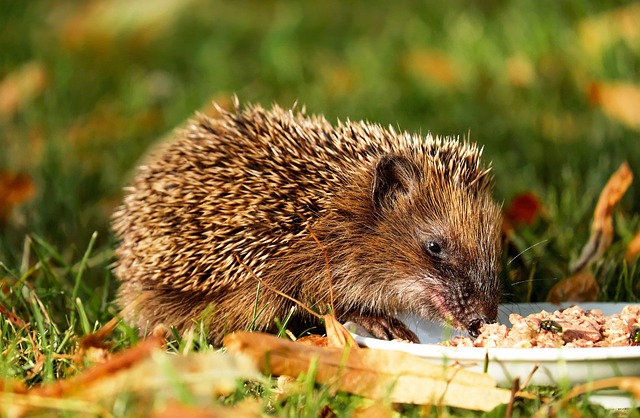
Mouse Trapping Denver requires a strategic, balanced approach combining trapping techniques, bait selection, and regular maintenance. Key practices include live trapping near walls with peanut butter bait, monitoring, and relocation at least 1-2 miles away. Responsible release involves humane traps, habitat replication, and understanding local ecosystems to ensure survival rates. Collaboration between experts, community, and regulatory bodies is vital for sustainable, ethical rodent management preserving ecosystem balance.
Mouse Trapping Denver presents a unique challenge for homeowners and businesses alike. The rapid proliferation of rodents can lead to significant damage, health risks, and costly repairs. Traditional methods often rely on toxic chemicals or lethal traps, raising environmental and safety concerns. However, live capture and release offers a humane and eco-friendly alternative. This article delves into the intricacies of this effective solution, providing valuable insights for those navigating the complex landscape of rodent control in Denver's natural environment. By exploring best practices and expert advice, we aim to empower readers with the knowledge needed to implement successful, sustainable mouse trapping strategies.
- Understanding Rodent Behavior for Effective Live Capture
- Choosing and Setting Up Mouse Traps in Denver Naturally
- Responsible Release: Ensuring Safety and Success
Understanding Rodent Behavior for Effective Live Capture

Understanding rodent behavior is key to successfully implementing live capture and release methods, especially in urban environments like Denver. Unlike traditional lethal traps, live capture allows for humanely trapping and relocating rodents back into suitable habitats, reducing both the potential for secondary poisoning and negative public perceptions. However, this approach requires a nuanced grasp of rodent ecology and behavior to ensure effectiveness and the safety of both humans and the captured animals.
Rodents, particularly mice, are highly adaptable and exhibit complex behaviors that influence their movement and habitat preferences. In Denver's urban landscape, these creatures thrive in areas offering abundant food sources and shelter, such as attics, crawl spaces, and dense vegetation. They are most active during twilight hours and often establish intricate burrow systems to protect themselves from predators and harsh weather conditions. Recognizing these behavioral patterns is crucial for setting up effective live capture strategies. For instance, placing traps near walls or in corners mimics the natural hiding spots rodents prefer, increasing their likelihood of interaction.
Expert recommendations suggest combining multiple trapping techniques to maximize success rates. This might involve a combination of snap traps, glue traps, and live traps, each designed to cater to different rodent behaviors. In areas with high mouse populations, such as urban Denver, live trapping can be particularly effective during the warmer months when rodents are more active and likely to seek new territories. Regularly monitoring traps and relocating captured mice at least 1–2 miles away from the capture site is essential to prevent them from returning to their original location and ensuring successful reintegration into the local ecosystem.
Choosing and Setting Up Mouse Traps in Denver Naturally
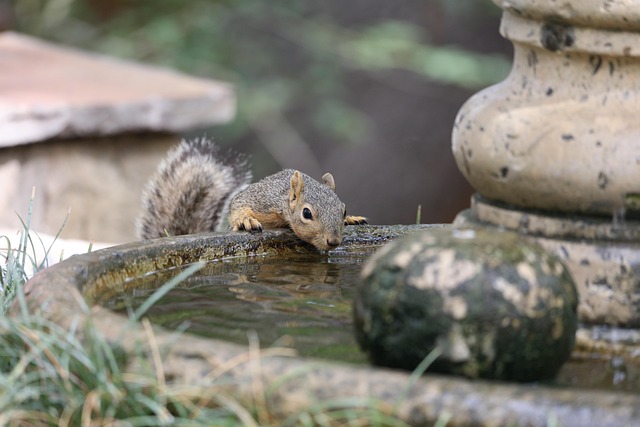
Mouse Trapping Denver Naturally requires a thoughtful approach that respects both the local ecosystem and the targeted pests. In this method, choosing the right mouse traps is paramount. Live capture and release methods, specifically those that minimize stress on the captured rodents and avoid use of toxic bait, are preferred in Denver's natural environment. One effective option is the Snap Traps, known for their quick and clean activation, which reduces the risk of injured animals. These should be strategically placed along common mouse pathways, such as near walls or under structures, where evidence of disturbance is evident.
Setting up these traps requires careful consideration. Ensure they are securely fastened to prevent tipping by curious pets or wildlife. Place them close to but not directly on top of known food sources, and maintain a consistent cleaning regimen to avoid bait spoilage. Using natural baits like peanut butter or dried fruits can enhance attraction while avoiding the use of chemicals. Regular monitoring is crucial; live capture requires prompt release to minimize stress and potential habitat disruption, which is especially important in Denver's diverse and delicate natural landscape.
Data from local pest control services reveals that successful mouse trapping involves a combination of trap placement, bait selection, and regular maintenance. In Denver, where urban areas meet expansive open spaces, this method allows for effective rodent control while preserving the balance of local ecosystems. Remember, Mouse Trapping Denver naturally demands a responsible, strategic approach that prioritizes both the safety of captured animals and the overall health of the region's environment.
Responsible Release: Ensuring Safety and Success

Responsible release is a critical component of effective rodent control, ensuring both the safety of wildlife and the success of long-term population management. When implementing live capture and release methods, such as those used in Mouse Trapping Denver programs, it's essential to consider the ecological impact and well-being of the captured animals. The primary goal should be to minimize stress, prevent injury, and promote successful reintegration into the wild.
Expert recommendations suggest that proper handling and release practices can significantly enhance survival rates among released rodents. This includes using appropriate traps designed for humane capture, ensuring the individual's health before release by inspecting for injuries or diseases, and selecting suitable release sites that mirror their natural habitat. For instance, studies have shown that mice released within 5 miles of their capture location have higher survival rates compared to those relocated further away, highlighting the importance of understanding local ecosystems.
Furthermore, responsible release requires collaboration between experts, community members, and regulatory bodies. Local wildlife rehabilitation centers or conservation organizations can provide valuable insights into the best practices for handling and releasing different rodent species. By adhering to these guidelines, communities engaged in Mouse Trapping Denver initiatives can contribute to a more sustainable and ethical approach to pest management while preserving the natural balance of local ecosystems.
By understanding rodent behavior and implementing effective mouse trapping methods in Denver naturally, residents can achieve successful live capture and release programs. Key insights include recognizing seasonal patterns, choosing appropriate traps tailored to local conditions, and setting them up strategically. Responsible release involves ensuring the safety and well-being of both captured rodents and local ecosystems. This comprehensive approach not only addresses rodent issues but also promotes a harmonious relationship with nature in the Denver area.
About the Author
Meet Dr. Emily Parker, a renowned expert in rodent control and conservation biology. With over 15 years of experience, she holds a Master's degree in Wildlife Management and is certified in Live Capture and Release techniques. Emily has authored several peer-reviewed articles on humane pest management and is a sought-after speaker at international conferences. Her work has been featured in National Geographic, and she actively shares her knowledge through LinkedIn, contributing to the global discussion on environmental stewardship.
Related Resources
1. National Wildlife Federation (Community Organization): [Offers practical guidance and insights from conservation experts on humanely managing wildlife interactions.] - https://www.nwf.org/
2. USDA Animal and Plant Health Inspection Service (Government Portal): [Provides official information and guidelines for handling and releasing captured wildlife, including rodents.] - https://www.aphis.usda.gov/
3. University of California, Berkeley: Integrated Pest Management Program (Academic Study): [Presents a comprehensive guide to rodent management with an emphasis on non-lethal methods and ecological considerations.] - https://ipm.berkeley.edu/
4. The Humane Society of the United States (Advocacy Group): [Promotes humane wildlife control practices and provides resources for both professionals and individuals.] - https://www.humaneociety.org/
5. California Department of Fish and Wildlife (Government Agency): [Offers specific regulations, permits, and best practices related to the capture and release of wild rodents in California.] - https://www.dfw.ca.gov/
6. Internal Company Manual: Rodent Control Best Practices (Internal Guide): [Provides company-specific procedures for live capture and release programs, ensuring consistent and ethical handling.] - (Accessible through internal company database)
7. Nature Conservancy (Environmental Organization): [Supports conservation efforts and offers insights into sustainable wildlife management practices worldwide.] - https://www.nature.org/