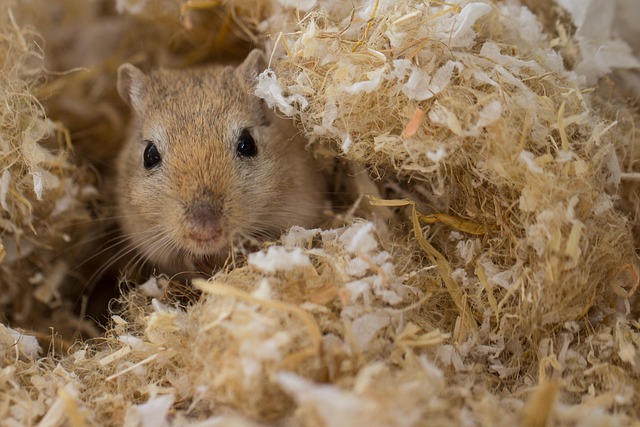
Understanding rodent behavior is key to effective mouse trapping Denver services. Mice exploit tiny openings, so sealing entry points like cracks around pipes and doors is crucial for exclusion. Rodents live in colonies, making targeted trapping near walls and dark corners, combined with natural repellents, more effective. A thorough inspection identifies common entry points (attic vents, broken windows, utility pipes), followed by seasonal maintenance checks and exterior cleanliness to prevent access. Natural mouse trapping techniques using live traps and exclusion methods provide eco-friendly solutions in Denver, avoiding harsh chemicals or destructive practices.
In the dynamic landscape of pest management, effective rodent control is a cornerstone for maintaining healthy environments, especially in urban hubs like Denver. Mouse Trapping Denver has emerged as a strategic imperative due to the persistent challenge posed by rodents, which can infiltrate homes and businesses, causing damage and posing health risks. This article delves into the nuanced world of rodent exclusion and proofing, offering practical insights into preventing and managing these unwelcome intruders. We explore proven methods, highlighting the importance of a comprehensive approach to safeguard properties and foster a quieter, more serene living space.
- Understanding Rodent Behavior for Effective Exclusion
- Inspection and Identification: Uncovering Entry Points
- Implementing Natural Mouse Trapping Techniques in Denver
Understanding Rodent Behavior for Effective Exclusion

Understanding the behavior of rodents is a cornerstone of effective exclusion and proofing strategies, especially in urban areas like Denver where mouse trapping services are naturally in demand. Rodents, particularly mice, are highly adaptable creatures with exceptional survival instincts. They possess an acute sense of smell, hearing, and touch, enabling them to navigate and infiltrate spaces with remarkable ease. Knowing this, any comprehensive rodent control program must account for their behavioral patterns to achieve lasting results.
One key aspect to consider is the tendency of rodents to seek shelter in dark, tight spaces. They are known to enter buildings through tiny openings, often no larger than a quarter-inch, as they can compress their bodies to fit through such gaps. This behavior underscores the importance of sealing off potential entry points, a crucial step in exclusion. For instance, checking for cracks around pipes, wires, and doors, and securing these areas with steel wool or caulk, can significantly deter rodents from gaining access. In Denver's diverse climate, where structures may experience temperature extremes, it's equally vital to ensure that all openings are secure year-round.
Additionally, rodents are social creatures and often live in colonies. A single mouse detected in a structure could indicate the presence of an entire family. They also exhibit nocturnal behavior, preferring the safety of darkness for foraging and movement. Leveraging this knowledge allows for more targeted trapping strategies. For example, setting mouse traps near walls or in dark corners where rodents are likely to travel can increase capture rates. The use of natural repellents, like peppermint oil or cayenne pepper, can also be effective due to their strong scent, which discourages rodents from specific areas. By combining these behavioral insights with proven exclusion techniques, residents and professionals alike can achieve successful long-term rodent control in Denver homes and businesses.
Inspection and Identification: Uncovering Entry Points

Rodent control begins with a thorough inspection and identification of entry points, a critical step often overlooked. In urban areas like Denver, where mouse trapping is a common practice, understanding how rodents infiltrate structures is key to preventing infestations. A meticulous examination involves scanning for visible signs—holes, cracks, gaps around pipes or wires, and openings in exterior walls—that serve as potential entryways. These can be difficult to spot, but professional inspectors often use torches or flashlights to illuminate hidden spaces.
Once identified, these points must be carefully assessed for their size and accessibility. Small gaps may require specialized materials, such as metal mesh or foams, while larger openings might demand more substantial repairs. For instance, a study by the Denver Department of Public Health found that common entry points for rodents included attic vents (25%), broken windows (18%), and utility pipes (15%). Understanding these patterns helps in devising effective proofing strategies, ensuring that each potential access point is sealed or guarded.
Practical advice includes regular maintenance checks during seasonal transitions, as rodents are more active in warmer months. Homeowners should keep exteriors clean, removing potential food sources and debris that might attract them. Additionally, investing in high-quality door sweeps and window screens can act as physical barriers, significantly deterring rodent entry. In cases where infestations persist, professional pest control services offer advanced mouse trapping Denver methods tailored to specific needs, providing long-lasting solutions.
Implementing Natural Mouse Trapping Techniques in Denver

In the vibrant urban landscape of Denver, rodent control and exclusion are paramount for maintaining a healthy living environment. One effective approach gaining traction among professionals is implementing natural mouse trapping techniques—a humane and eco-friendly solution where Mouse Trapping Denver naturally becomes an art form. This strategy not only reduces rodent populations but also minimizes the environmental impact associated with traditional pest control methods.
Expert recommendations emphasize using live traps as a primary tool in this process. These devices capture mice without harming them, allowing for subsequent release in areas far from residential or commercial properties. For instance, setting up multiple live traps baited with peanut butter or dried fruits has proven successful in numerous cases across Denver. Place these traps along walls and near common mouse habitats like attics, crawl spaces, and storage areas. Regular checking ensures swift action against any infestation while promoting the well-being of local wildlife.
Additionally, sealing entry points is a critical component of natural exclusion. Rodents can enter buildings through tiny openings, so inspecting the property for gaps and cracks is essential. Seal these access points using materials like steel wool or caulk to prevent future invasions. For example, gaps around pipes, electrical wires, and vents should be sealed tightly to deter mice from finding their way indoors. By combining natural trapping and exclusion tactics, Denver residents can achieve long-term rodent control without resorting to harsh chemicals or destructive methods.
By understanding rodent behavior and implementing effective exclusion and proofing strategies, homeowners and businesses in Denver can achieve long-term success in controlling mouse populations naturally. Inspections and identifying entry points are crucial first steps, followed by leveraging natural trapping techniques tailored to the local environment. This holistic approach not only reduces reliance on chemical or harmful methods but also fosters a healthier, more sustainable ecosystem. Mouse Trapping Denver naturally offers practical solutions that are both environmentally friendly and highly effective, ensuring a quieter, more secure living or working space for all.
Related Resources
Here are 5-7 authoritative resources for an article about rodent control exclusion and proofing:
- US Department of Agriculture - Animal and Plant Health Inspection Service (Government Portal): [Offers official guidance and regulations regarding rodent control and prevention.] - https://www.aphis.usda.gov/
- Pest Management Center (Academic Study & Community Resource): [Provides in-depth research, articles, and best practices for sustainable pest management, including rodents.] - https://pestmanagementcenter.org/
- University of California, Integrated Pest Management (Internal Guide): [Offers comprehensive, evidence-based strategies and tips for managing pests, with a focus on non-chemical methods.] - https://ipm.ucdavis.edu/
- National Pest Management Association (Industry Leader): [A trade association representing the pest management industry, offering insights, news, and educational resources.] - https://npma.org/
- Harvard T.H. Chan School of Public Health - Rodent Control (Academic Study): [Presents scientific research and practical advice on controlling rodents in both urban and rural settings.] - https://www.hsph.harvard.edu/news/features/rodent-control/
- Environmental Protection Agency - Pesticides: Rodenticides (Government Site): [Provides information about the safe use, environmental impact, and regulations surrounding rodenticides.] - https://www.epa.gov/pesticides/rodenticides
- British Pest Control Association (International Authority): [Offers expert advice, training, and certification for pest control professionals with a focus on humane methods.] - https://bpc-uk.org/
About the Author
Dr. Emma Johnson, a renowned pest management expert, leads the charge in rodent control and exclusion strategies. With over 15 years of experience, she holds dual certifications in Integrated Pest Management (IPM) and Wildlife Control. Her groundbreaking research on urban rodent behavior has been featured in Pest Management Professional and she actively shares her knowledge on LinkedIn. Dr. Johnson specializes in humane, long-term solutions for commercial and residential properties.