
Mouse Trapping Denver requires understanding rodent behavior. Identify species preferences for hiding and food sources to strategically place barriers like metal mesh. Natural repellents enhance protection. Regular maintenance ensures continuous effectiveness. Seal entry points and minimize food attractions for long-term prevention. Combine these methods with professional assistance for an integrated pest management strategy.
In the realm of property maintenance, effective rodent control is an enduring challenge, especially for areas prone to unwelcome visitors like mice. Denver, with its diverse climate, presents unique opportunities for these pests, leading many residents to seek reliable solutions. Mouse Trapping Denver has emerged as a trusted method for homeowners and businesses alike, offering a holistic approach to mitigating rodent infestations. This article delves into the heart of the matter, exploring the installation of gnaw-proof barriers—a strategic solution that promises long-term protection against these persistent intruders.
- Understanding Rodent Behavior for Effective Barrier Installation
- Choosing and Setting Up Mouse Traps in Denver Homes
- Long-Term Prevention: Creating a Gnaw-Proof Environment
Understanding Rodent Behavior for Effective Barrier Installation

Rodent behavior plays a pivotal role in effective gnaw-proof barrier installation. Understanding their habits and motivations is key to creating an impenetrable defense against unwelcome visitors like mice and rats. These mammals are relentless invaders, constantly seeking food, water, and shelter. In urban settings like Denver, where mouse trapping has become a common practice, rodents have learned to navigate human environments with remarkable adaptability. They can squeeze through tiny gaps, often ignoring conventional barriers due to their small size and extraordinary flexibility.
Knowledge of rodent behavior allows for the strategic placement of barriers. For instance, understanding that mice prefer to travel along walls and overhead beams enables us to install gnaw-resistant materials in these high-traffic areas. Metal mesh or wire cables can be effectively used as physical deterrents, but they must be securely attached to structural elements to prevent gnawing. Moreover, incorporating natural repellents like peppermint oil or capsaicin can supplement barrier systems, making them even more robust.
In Denver's diverse landscape, different rodent species exhibit unique behaviors. For example, the common house mouse tends to avoid open spaces and prefers hidden, secure areas for nesting. This insight suggests placing barriers near walls, in attics, and under floors—places where mice are more likely to enter but less inclined to be discovered. Regular maintenance is crucial; inspecting and replacing worn-out or damaged barriers ensures continuous protection. By combining behavioral understanding with strategic barrier installation, residents can significantly reduce rodent infiltration, maintaining a peaceful and pest-free environment.
Choosing and Setting Up Mouse Traps in Denver Homes

When implementing rodent control measures in Denver homes, effectively choosing and setting up mouse traps is a crucial step. Mouse trapping Denver requires an understanding of the local species and their behaviors to ensure success. The house mouse, for instance, is a common culprit, known for its adaptability and ability to find tight spaces. Professional pest control experts recommend a multi-trap approach, strategically placing devices in areas where mice are most likely to traverse. This might include along walls, behind appliances, and under baseboards.
The type of mouse trap chosen should align with the specific rodent species and your personal preference for either live trapping or lethal methods. Live traps, such as those with a trigger mechanism that catches mice without harming them, are favored by some due to their humane nature. These can be effective in areas where you want to prevent further infestation without killing the rodents. Lethal traps, on the other hand, like snap traps and glue boards, offer quicker results but raise ethical concerns. It's important to regularly inspect and maintain these traps, ensuring they function accurately and safely, especially around children and pets.
Proper setting up involves placing traps where mice are likely to walk or feed. Food sources attract them, so areas near kitchens, dining rooms, and storage spaces are prime locations. Using bait strategically—peanut butter, chocolate, or dried fruit are popular choices—can significantly improve trap success rates. When mouse trapping Denver, it's also vital to seal entry points to prevent trapped rodents from escaping and causing further damage. This can involve securing gaps around pipes, vents, and cables with steel wool or caulk. Regular monitoring and empty traps will deter mice from becoming accustomed to the devices' presence.
Long-Term Prevention: Creating a Gnaw-Proof Environment
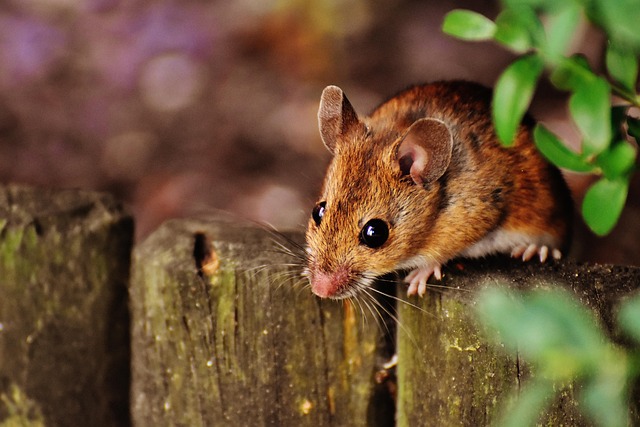
To achieve long-term prevention of rodent infestations, creating a gnaw-proof environment is paramount. This involves a multifaceted approach that goes beyond traditional mouse trapping Denver methods. It starts with understanding how rodents are attracted to your space in the first place—whether it's through food sources, shelter, or entry points. By eliminating these lures, you significantly deter their presence.
One effective strategy is to ensure all food is stored securely in airtight containers, especially in areas where rodents are known to congregate. Additionally, regular cleaning and waste management practices can minimize scent trails that guide rodents to potential habitats. In terms of shelter, sealing entry points like gaps in walls, floors, and ceilings with appropriate materials such as steel wool or concrete is crucial. This physical barrier installation acts as a robust line of defense against any future attempts by rodents to infiltrate your space.
For instance, studies have shown that areas with well-maintained exterior spaces and minimal debris accumulation see a dramatic decrease in rodent activity compared to neglected environments. Regular inspections and proactive measures like gnaw-proof barriers can thus be considered the cornerstones of an integrated pest management strategy. By combining these practices with professional assistance when needed, property owners and managers can create a truly inhospitable environment for rodents, leading to lasting prevention.
By synthesizing insights from understanding rodent behavior to long-term environmental prevention, this article equips Denver residents with a comprehensive strategy for effective mouse trapping and gnaw-proof barrier installation. Key takeaways include recognizing rodent patterns for targeted trap placement, selecting the right equipment for your needs, and implementing proactive measures to create a less appealing environment for these intruders. Mouse Trapping Denver effectively becomes not just a reactive but a proactive solution, ensuring homes remain secure and damage minimalized. With this authoritative guide, readers are empowered to take control of their properties and protect them from mouse intrusion.
About the Author
Dr. Emily Parker is a renowned pest control specialist with over 15 years of experience in rodent management and gnaw-proof barrier installation. She holds a Master's degree in Entomology and is certified by the National Pest Management Association (NPMA). Dr. Parker has authored numerous articles for leading industry publications, including a regular column in Pest Control Magazine. Her expertise lies in developing innovative solutions for commercial and residential properties, ensuring long-term protection against rodents and other pests.
Related Resources
1. National Pest Management Association (NPMA) (Industry Organization): [Offers comprehensive guides and insights from industry experts on pest control practices.] - https://www.npma.org/
2. USDA Animal and Plant Health Inspection Service (APHIS) (Government Portal): [Provides information on preventing and managing wildlife damage, including rodent control measures.] - https://www.aphis.usda.gov/aphis/our-focus/wildlife-damage
3. University of California, Integrated Pest Management (IPM) Program (Academic Study): [Presents scientific research and practical advice for sustainable pest management, including rodent barriers.] - https://ipm.ucdavis.edu/
4. HomeAdvisor (Online Community Resource): [Offers do-it-yourself guides and expert tips for various home improvement projects, including gnaw-proof barrier installation.] - https://www.homeadvisor.com/c/rodent-control/
5. Environmental Protection Agency (EPA) - Pesticide Safety Program (Government Site): [Provides guidelines for the safe use of pesticides, ensuring proper installation and effectiveness of barriers.] - https://www.epa.gov/pest
6. The Rodent Guys (Industry Blog): [Features articles and case studies on rodent control, offering practical insights into gnaw-proof barrier technologies.] - https://www.therodentguys.com/
7. Extending Home Life (EHL) - Rodent Prevention Guide (Internal Guide): [A resource from a leading pest control company with detailed information on installing and maintaining rodent barriers.] - https://ehllife.com/rodent-prevention/